How Often Should You Clean Your Windows in Irvine? A Neighborhood-by-Neighborhood Guide
April 25, 2026
How Often Should You Clean Your Windows in Irvine? A Neighborhood-by-Neighborhood Guide

If you've ever stood in your kitchen looking at sprinkler spots on the slider and wondered whether it's been three months or six since the windows were last cleaned, you're asking the right question, but probably the wrong way.
The honest answer for Irvine homeowners isn't a single frequency. It depends on where you live, where your sprinklers point, how close you are to the coast, and whether your community sits in the path of Santa Ana winds blowing down through the canyons. A home in Turtle Rock has a different cleaning calendar than one in Northwood Pointe, and a Newport Coast adjacent property in Quail Hill faces conditions a Woodbridge home never sees.
This guide walks through the realistic frequency for every major Irvine neighborhood, the environmental factors driving those numbers, and how to know when your windows need attention before mineral deposits cause permanent damage.
The Short Answer: Quarterly Is the Irvine Standard
For most Irvine homes, professional window cleaning every 90 days (four times per year) is the practical standard. This isn't an upsell, it's a number derived from three local realities that don't exist in most U.S. markets:
Year-round irrigation. Unlike regions with seasonal sprinkler use, Irvine homes run irrigation 10–12 months per year. Any sprinkler head reaching glass is depositing minerals continuously.
High mineral content in municipal water. Irvine Ranch Water District tap water typically runs 250–400 PPM in dissolved minerals, well above the level at which calcium and magnesium deposits become visible on glass within weeks.
Santa Ana wind events. Two to four major wind events per year deposit fine particulate matter that bonds with morning dew and irrigation overspray to create the gritty, etchant film that damages glass over time.
Quarterly cleaning addresses all three.
It's the schedule that keeps mineral deposits from reaching the etching threshold (12–18 months of continuous exposure under Orange County UV), keeps HOA inspectors happy, and keeps your windows looking the way they did the day they were installed.
That said, "quarterly" is the baseline. Some neighborhoods need more, some can stretch a bit longer.
Why Frequency Matters More Than Most Homeowners Realize
Window cleaning isn't just about appearance. Mineral deposits left on glass for too long cross a threshold where they stop being a cleaning problem and start being a glass damage problem.
Here's the timeline for untreated mineral buildup on Orange County windows:
0–3 months: Light spotting, removable with standard professional cleaning.
3–6 months: Visible white haze, removable but requires longer dwell time with mineral-dissolving solutions.
6–12 months: Significant buildup, often requiring professional hard water stain treatment beyond standard cleaning.
12–18 months: Deposits begin chemically etching the glass surface. At this stage, deposits can still be removed, but micro-pitting in the glass may remain visible.
18+ months: Permanent etching. The glass itself is damaged. No amount of cleaning restores it; window replacement becomes the only solution.
Replacement glass for an Irvine home — especially in communities with large picture windows like Orchard Hills or Altair — runs $600–$1,500 per pane installed. A quarterly cleaning schedule at a fraction of that cost prevents the damage entirely.
Frequency by Irvine Neighborhood
Below is the practical cleaning frequency for major Irvine communities, based on environmental factors specific to each area.
Quarterly (every 90 days) — The Standard
These communities fit the standard quarterly schedule comfortably:
Woodbridge. Established neighborhood with mature landscaping. Sprinkler-driven mineral deposits are the primary issue. Quarterly cleaning stays ahead of buildup.
Westpark and Westpark II. Similar profile to Woodbridge — interior Irvine location, moderate wind exposure, year-round irrigation.
University Park. Older Irvine community with well-established trees. Pollen and irrigation overspray drive the cleaning schedule.
Northwood and Northwood Pointe. Active HOA management means quarterly cleaning aligns well with inspection cycles. Mature landscaping adds organic debris.
El Camino Real. Standard Irvine conditions; quarterly handles it.
Cypress Village. Newer master-planned community with high window-to-wall ratios. Quarterly cleaning prevents the visible mineral spotting that newer homes show quickly.
Every 60 Days (six times per year) — Higher Maintenance
These neighborhoods see faster mineral buildup or more aggressive environmental factors:
Orchard Hills. Hillside location with luxury homes featuring expansive glass. Wind exposure is significant, and large pane sizes make even minor mineral deposits highly visible. The community's aesthetic standards are actively enforced.
Turtle Rock. Older Irvine community where many homes have windows approaching 30–40 years old. Existing glass is more vulnerable to etching, making more frequent cleaning protective rather than cosmetic.
Quail Hill. Proximity to the coast brings light salt spray into the equation alongside Irvine's hard water. The combination accelerates buildup.
Shady Canyon. Hillside, large estates, significant glass area. The cleaning schedule here is driven by appearance maintenance for properties valued well above the Irvine median.
Great Park Neighborhoods (Beacon Park, Cadence Park, Rise, Solis Park). Newer construction with floor-to-ceiling windows. Active HOA inspections every 60–90 days. Bi-monthly cleaning aligns better with both inspection cycles and the visible spotting that comes faster on large modern panes.
Every 30–45 Days — Specialized Cases
Some properties require monthly or near-monthly attention:
Homes with sprinkler systems hitting glass directly. If your irrigation heads spray windows even occasionally, mineral deposits accumulate faster than any standard schedule can keep up with. The first step is adjusting the sprinklers; the second is more frequent cleaning until adjustments are confirmed.
Properties adjacent to construction. Active construction in any nearby Great Park district or Portola Springs phase generates airborne dust that settles on neighboring windows continuously.
Newport Coast and coastal-adjacent Irvine properties. Salt spray exposure means more frequent cleaning to prevent salt and mineral combination deposits, which are harder to remove than either alone.
Commercial properties with high foot traffic. Storefronts in Irvine Spectrum Center, the District at Tustin Legacy, or Diamond Jamboree see fingerprint and smudge accumulation that drives weekly or bi-weekly cleaning regardless of mineral conditions.
Twice a Year — When You Can Stretch It
Some scenarios genuinely allow for less frequent cleaning:
Homes with no irrigation reaching windows AND no nearby construction AND interior-facing windows in shaded locations. This combination is rare in Irvine but possible. Twice-yearly cleaning (typically March/April and October/November) works for these homes.
Vacant rental units between tenants. Cleaning is event-driven rather than schedule-driven.
The Environmental Factors Driving Your Specific Frequency
Beyond neighborhood, these specific factors shift your cleaning frequency:
Sprinkler proximity. The single biggest factor in Irvine. Walk your property in the morning when sprinklers are running and watch where the spray lands. If any heads reach windows, even at the edges, you're seeing accelerated mineral deposition. Adjusting sprinkler heads is the first intervention; more frequent cleaning is the second.
Tree and landscaping coverage. Eucalyptus, ornamental palms, and pepper trees common throughout Irvine produce significant pollen and organic debris that bonds with morning dew on glass. Homes under heavy tree canopy in older communities like Turtle Rock or University Park see more buildup than homes in newer, less-vegetated communities.
Window orientation. South-facing and west-facing windows accumulate buildup faster than north-facing windows because of greater sun exposure (which bakes deposits onto the glass) and prevailing wind direction.
Window age. Older windows often have microscopic surface irregularities that grip mineral deposits more aggressively. Pre-2000 Irvine construction in Northwood, University Park, and original Woodbridge homes typically requires more frequent cleaning than newer construction in Cypress Village or Eastwood Village.
Pet ownership. Dogs, particularly large breeds, create nose prints, paw smudges, and shed-related residue at heights matching window glass. Pet households often run a 60-day schedule rather than quarterly.
How to Tell When It's Time
Visual cues that your windows need attention before your scheduled cleaning:
White spotting visible from inside or outside. Mineral deposits showing means deposits are present in a removable form. Don't wait.
Hazy appearance when sun hits the glass at an angle. Construction-style residue or accumulated film. Often invisible head-on but obvious in raking light.
Streaks after rain. Clean glass sheets water; dirty glass beads it. Streaking after a storm means buildup is significant.
Reduced light transmission. If a previously bright room feels dim, windows are blocking light through accumulated grime.
Visible debris in tracks. Tracks tell the truth before glass does. Dirt accumulating in tracks means similar accumulation is happening on glass surfaces.
What a Professional Quarterly Service Includes
For frequency to deliver value, the service itself has to be complete. A proper quarterly cleaning visit covers:
Interior and exterior glass with deionized water final rinse (Irvine's 250–400 PPM tap water leaves spots if used for rinsing; purified water doesn't)
Screen removal, cleaning, and reinstallation
Track and sill cleaning
Frame wiping
Hard water stain assessment with treatment if buildup has accumulated since the last visit
Inspection for damaged seals, broken hardware, or other issues that warrant attention before they escalate
If a service is only doing exterior glass, your interior, screens, and tracks are accumulating debris that pushes back onto the glass within days — which is why some homeowners feel like quarterly isn't enough. Often it's not the frequency that's wrong; it's the scope of the visit.
Frequently Asked Questions
Is quarterly cleaning really necessary, or is that just what window cleaners say?
Quarterly is what Irvine's water and irrigation conditions make practical. In a market with soft water and seasonal irrigation, twice yearly works fine. In Irvine, mineral deposits begin etching glass within 12–18 months — quarterly cleaning prevents reaching that threshold while keeping appearance consistent.
Can I stretch to every six months if my windows still look okay?
Sometimes yes, sometimes no. The risk is that mineral deposits at six months may have crossed from the "easily removed" stage into the "requires aggressive treatment" stage. If you're trying to extend the schedule, schedule an inspection-only visit before committing to a longer interval.
What if I have a sprinkler hitting my windows directly?
Adjust the sprinkler first. Bringing in a window cleaning service every month while irrigation continues to deposit minerals daily is treating a symptom, not the cause. After adjustment, evaluate at 60 days to see whether buildup has slowed.
Does the season matter for scheduling in Irvine?
The two highest-leverage cleaning windows are October/November (before the rainy season — clean glass sheets rain water; dirty glass turns rain into streaks) and March/April (after the rainy season, before the dry months bake any remaining deposits onto the glass). Most quarterly schedules naturally include these months.
My neighbors have their windows cleaned every six months and theirs look fine. Why do I need quarterly?
Their windows may already be approaching the etching threshold without it being visible head-on. Or their sprinkler configuration may be different. Or their windows may be newer and less prone to grip deposits. Frequency is property-specific, and "looks fine" at six months can mean undetected damage is accumulating.
Is there a difference between full-service cleaning every 90 days and exterior-only every 60 days?
Yes. Exterior-only cleaning skips screens, tracks, sills, and interior glass. Within days of an exterior-only cleaning, screens push debris back onto glass through any wind or watering event. Full-service quarterly typically delivers cleaner-looking results across the entire 90-day interval than exterior-only at any frequency.
Schedule Your Irvine Window Cleaning
Irvine Window Cleaning Pros
provides professional window cleaning on quarterly, bi-monthly, and custom schedules throughout Irvine and South Orange County — including Woodbridge, Northwood, Turtle Rock, Quail Hill, Orchard Hills, Great Park Neighborhoods, Cypress Village, Portola Springs, and surrounding communities in Mission Viejo, Lake Forest, Aliso Viejo, Laguna Niguel, and Rancho Santa Margarita.
Every service includes interior and exterior glass with a deionized water final rinse, screen and track cleaning, hard water stain assessment, and frame detailing. Fully insured. Same-day and next-day availability.
Call (949) 620-6334 for a free estimate and a recommended cleaning frequency tailored to your specific property and neighborhood.
Irvine Window Cleaning Pros | 2691 Richter Ave, Irvine, CA 92606

Ammonia-based glass cleaners can ruin window tint and cause purple discoloration. What to use instead on tinted or UV-film windows. (949) 620-6334.

Aliso Viejo homes near the wilderness park face canyon dust most inland OC properties don't. What that means for your windows. (949) 620-6334.

Laguna Niguel's hilltop ocean-view homes face salt air and wind exposure most inland OC homes don't. What that means for your windows. (949) 620-6334.
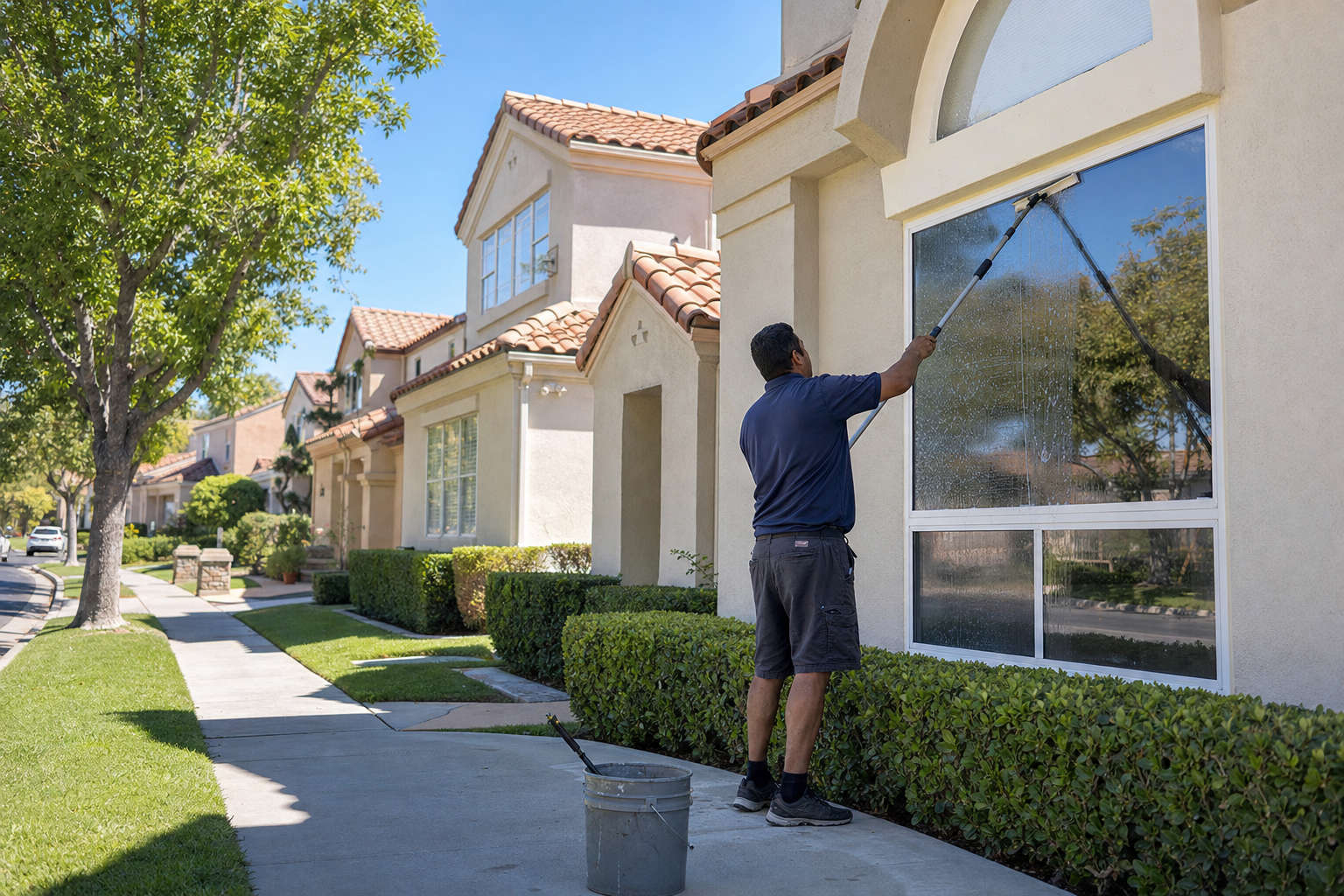
Window cleaning for Mission Viejo's master-planned communities and Lake Mission Viejo homes. HOA standards, cost & scheduling. (949) 620-6334.
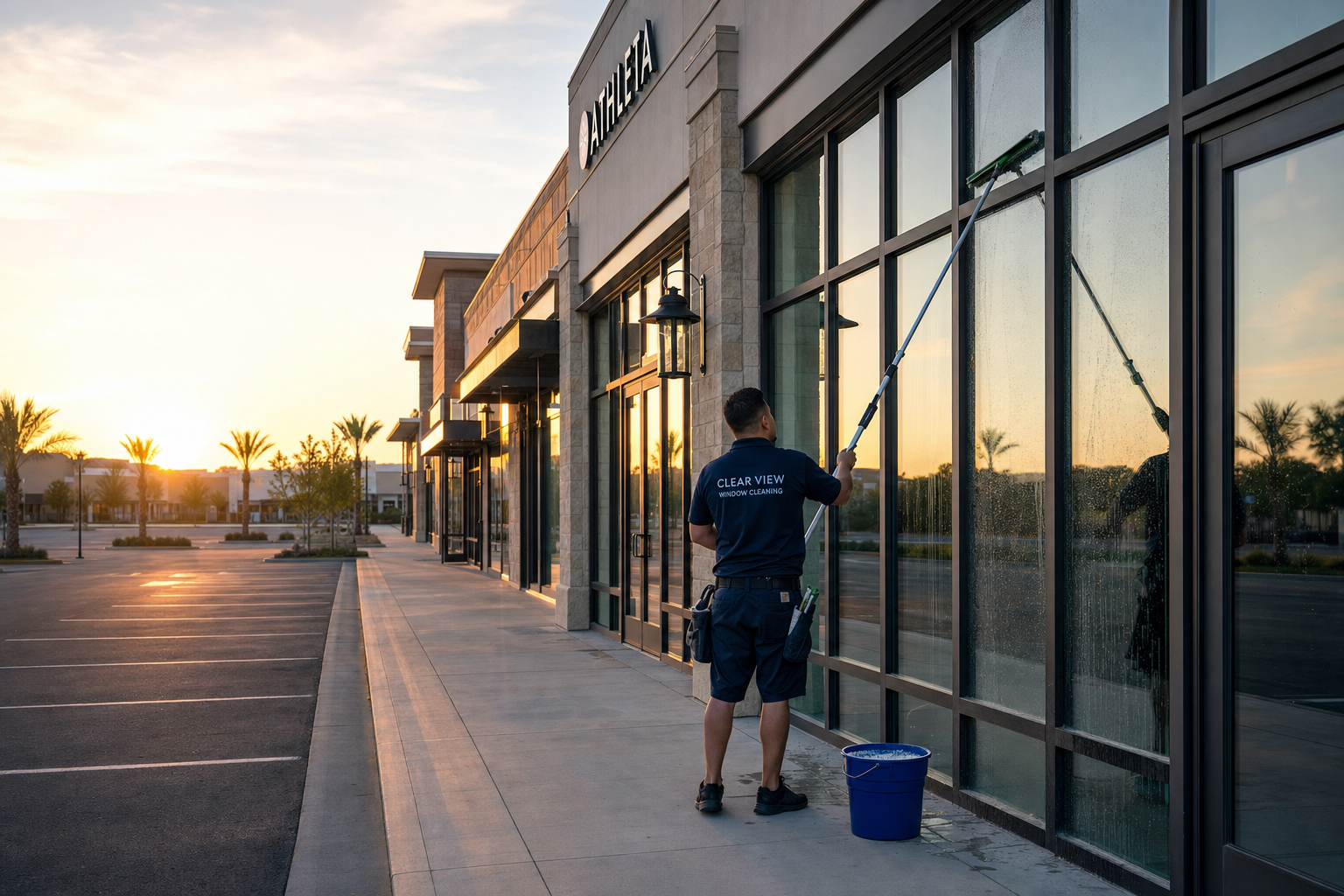
Commercial window cleaning for Irvine offices & retail. Insurance, scheduling around business hours, and what to check before hiring. (949) 620-6334.
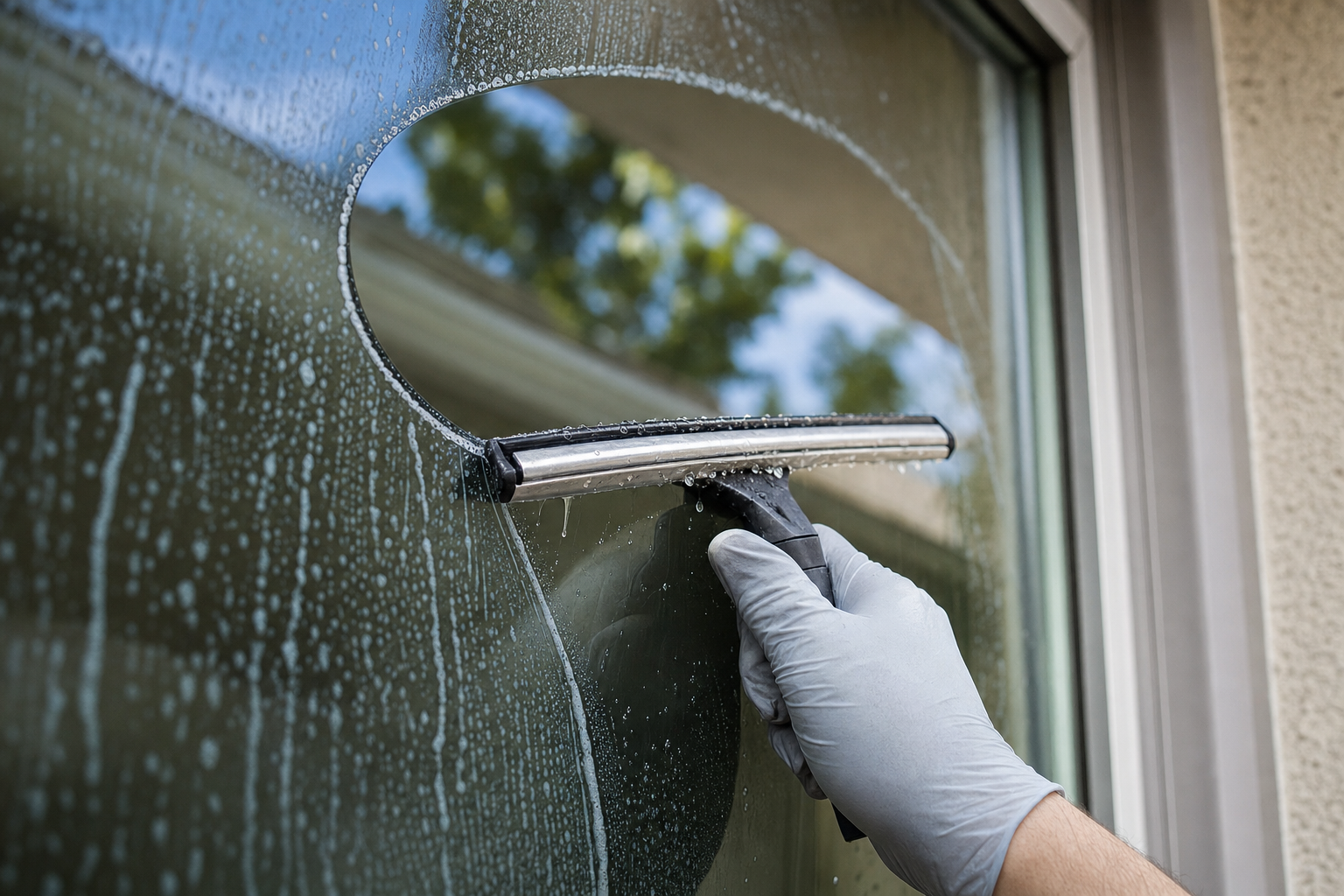
Streaky DIY windows in Irvine usually come down to timing and technique, not effort. What professionals do differently and why. Free quotes: (949) 620-6334.
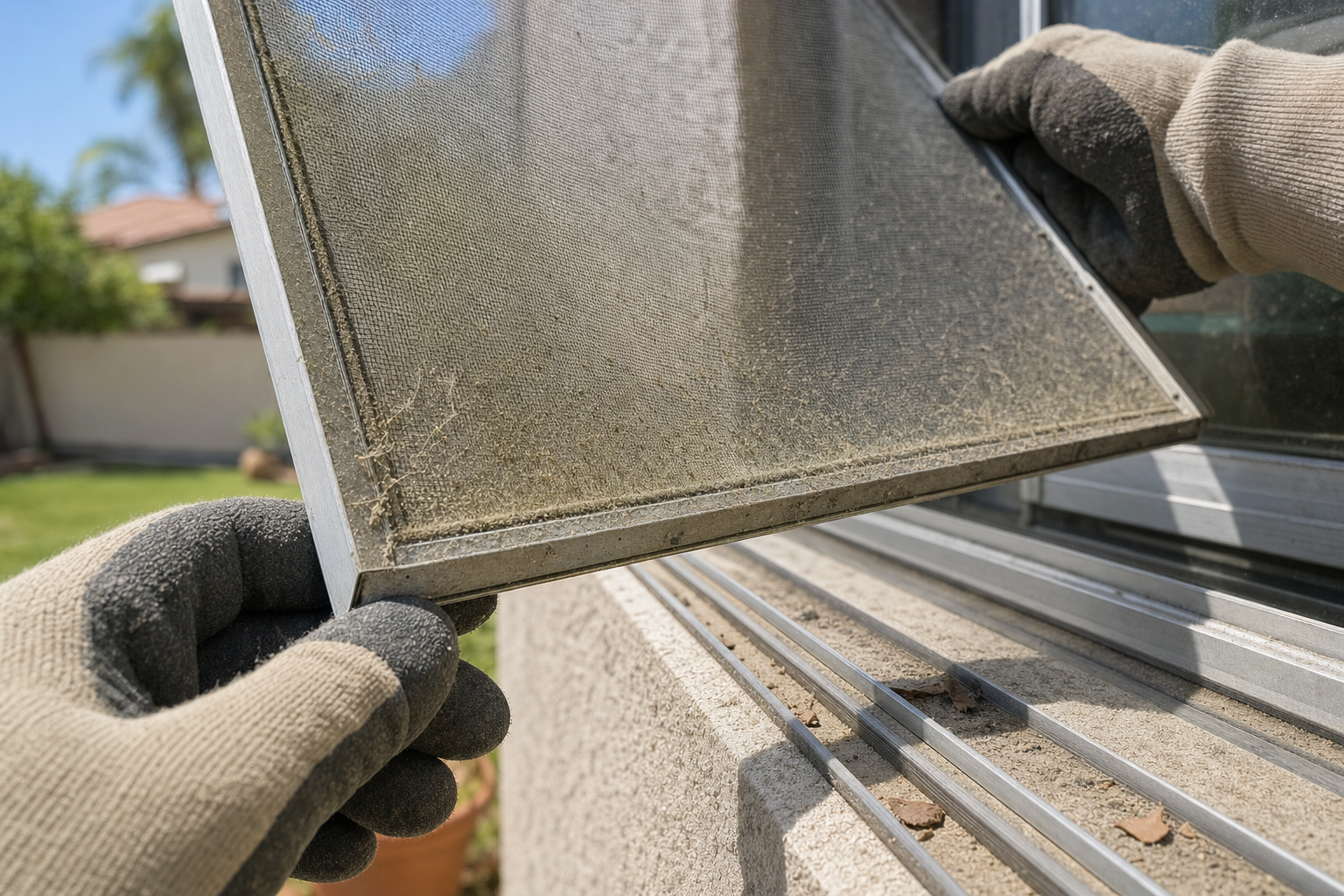
Dirty screens and tracks undo clean glass within days in Irvine. What's actually building up, real cost, and why Santa Ana winds make it worse. (949) 620-6334.

Paint overspray, stucco splatter, and construction dust can scratch new windows if cleaned wrong. Post-construction window cleaning in Irvine. (949) 620-6334.

Professional window cleaning in Lake Forest, CA — Foothill Ranch, Portola Hills & beyond. HOA-friendly, insured, same-day service. Call (949) 620-6334.

Professional window cleaning in Tustin, CA. Hard water removal, post-construction cleanup & recurring service for Old Town & Tustin Ranch. Call (949) 620-6334.